
AI Garden Design for Your Outdoor Space
Try AI garden design from your photo. Explore planting beds, paths, seating, and seasonal color, then check local growing conditions. 3 free 1K designs.
Garden design is a long-term arrangement of plants, paths, and places to pause. Start with sunlight, soil, drainage, and how much maintenance you can realistically do.
How to Use AI Garden Design
Start with a clear reference for your garden design, then compare a visual style before choosing real materials. The uploader is on this page, so you can prepare the photo and begin a design without moving to another tool. Use the following steps to make the comparison useful for your own project.
1. Upload a reference that shows the space
Choose a bright, level photograph that includes the main surfaces and fixed features. Avoid a tight detail shot that removes the context. Check the preview before submitting and remove personal documents or other details you do not want in the reference. Keep the original image so you can compare the result with the space you actually have. A photo does not replace the measurements or site information you will need later.
2. Set optional preferences and check the resolution
Generate with the page's preset goal and AI-recommended style, or choose optional room and style preferences. The six style presets are Modern, Scandinavian, Japandi, Farmhouse, Industrial, and Mid-century. You can add up to 500 characters of instructions, such as keeping a sofa or choosing warm wall colors. These preferences guide the whole-image design; there is no brush or mask for selecting specific pixels. Before a purchase, generation is limited to 1K. A plan or credit pack unlocks higher resolutions, with the credit cost displayed before generation. Prepare the reference first, since selecting a photo does not consume credits.
3. Compare the concept with your original
Review colors, finishes, texture, and the overall atmosphere, then check doors, windows, proportions, and other fixed details. The generator aims to retain the structure and viewpoint, but objects and details can change. Record the ideas you want to investigate and set aside inaccurate features. If you compare another style, keep the reference consistent so the differences are easier to understand. Save the result as a visual brief, then verify dimensions and products independently.
Garden design: Before & After Concept
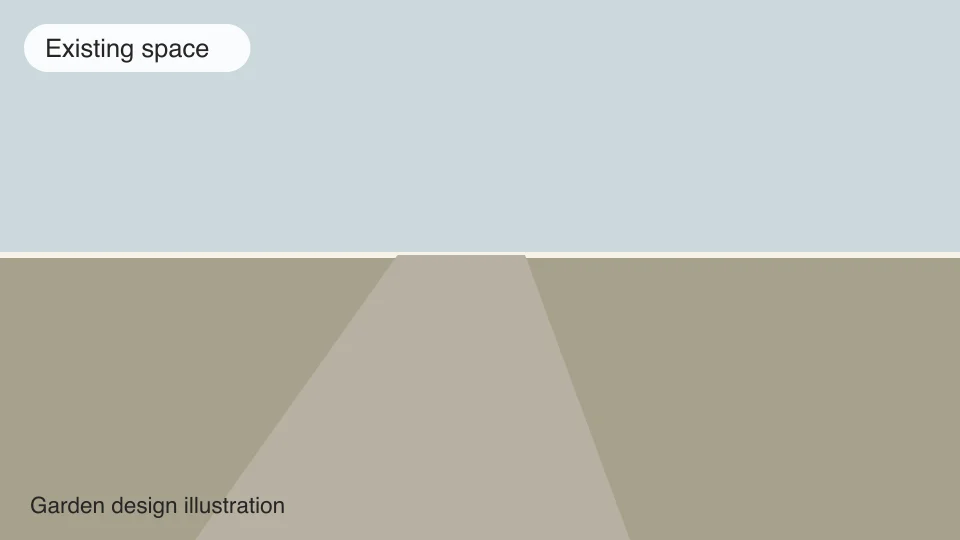
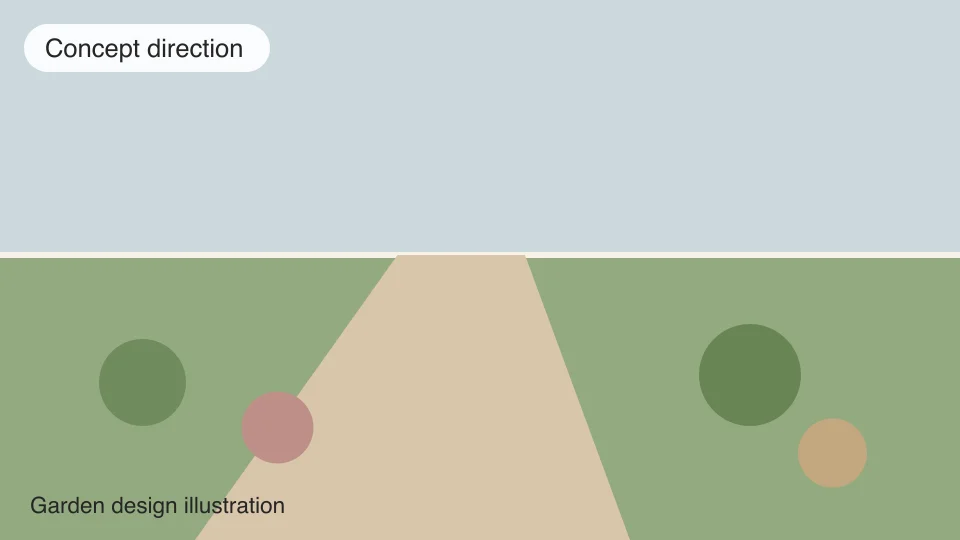
Garden Design Ideas & Costs
Use a photo to compare curved and straight beds, or a dense planting scheme with open space. Layer plants by mature height so short varieties remain visible, and repeat a few forms to tie the garden together. Include a route for watering and pruning. Prep your yard before spring by planning bed edges, soil improvements, and local plant choices ahead of the rush.
Plant size, soil preparation, irrigation, edging, paths, and labor shape the budget. Smaller plants may cost less initially but need time to fill in. Plan for mulch, replacement plants, and ongoing care rather than spending the whole budget on installation day.
Identify local growing conditions and any invasive species restrictions. Check mature spread and underground services before planting trees. A visual concept cannot predict plant survival or substitute for local horticultural advice.
Create Garden Structure Before Choosing Flowers
Think about the paths, bed edges, seating, and year-round plant shapes that hold the garden together. Seasonal color can change while those underlying elements remain. AI garden design helps visualize curved beds, a more formal arrangement, or a quieter palette from the same reference photo. Check whether the image leaves a usable route and enough open space for the activities you want. A single picture cannot show growth across the year, so make a separate note of seasonal interest and access for care. Start with the structure, then investigate the plant choices.
Choose Garden Plants for Mature Size and Local Conditions
Record sunlight, soil, moisture, and exposed areas before taking a planting idea to a nursery. Compare mature height and spread so plants do not crowd paths or block windows later. Keep the maintenance routine realistic: a dense, colorful border may require more pruning, replacement, and watering than a simpler scheme. Generated plants may resemble real varieties without identifying them correctly. Treat the output as a visual arrangement, then verify species and local suitability through reliable horticultural advice. A garden design should still work after the pictured plants have grown beyond their installation size.
Plan Garden Installation and Ongoing Care Together
Price bed preparation, edging, paths, irrigation, mulch, and labor alongside the plants. Smaller plants may reduce the initial cost but take time to fill the arrangement shown in a concept. Decide which areas can be planted first without disrupting later work, and leave room in the budget for replacements and continuing care. Take photos during different seasons to understand the site more fully. Keep your selected garden design as a direction for color and form, while the plant list and site plan record what will actually be installed and maintained.
Free Credits and Resolution Choices
The anonymous trial includes three free credits, enough for three 1K designs, shared across all the tools on this site. It does not require a login or credit card. After the trial, paid generation requires an account and design credits. Email signup requires verification; use the account links to continue with the available sign-in options.
Generation uses 1 credit at 1K, 3 credits at 2K, or 6 credits at 4K. The uploader shows the selected cost and its free/paid split before you submit. After a successful purchase, your remaining free credits are used first at any unlocked resolution, and paid credits cover the rest. Higher resolution provides more image detail rather than more accurate dimensions or a construction specification. Review the plans and credit options if you need more comparisons, and choose a resolution that suits how you intend to view the concept.
Plan Your Outdoor Project for the Local Season
Photograph the site now, note where sun and water move, and collect measurements, local rules, and material samples. Planning ahead gives you time to compare options before the appropriate local planting or building season. Confirm plant suitability, drainage, structural work, and permits with local specialists before installation.
Frequently Asked Questions About AI Garden Design
- How do I start with ai garden design?
Upload a clear photograph or reference sketch and submit a design with this page's preset goal. Room and style preferences are optional, and you can add up to 500 characters of additional instructions. The generator uses the reference to create a visual concept for your garden. Review the result alongside the original: objects, proportions, and details can change, so it is a starting point for comparison rather than a promise of an exact renovation.
- Can I try ai garden design without signing in?
Yes. The anonymous trial includes three free credits, enough for three 1K designs, without a login or credit card. These credits are shared across the site rather than renewed for each tool. Selecting a photo does not consume credits. A successful purchase unlocks higher resolutions and uses remaining free credits first; email signup requires email verification.
- What makes a useful reference photo?
Show the whole garden or the relevant site from a level viewpoint, with enough light to see fixed features and surface colors. Avoid heavy filters, extreme wide-angle distortion, or close-ups that hide the surrounding space. Remove personal documents and anything you do not want included before uploading. The generator accepts a reference image, not a survey of hidden conditions.
- Can I choose a higher image resolution?
Before purchase, generation is limited to 1K. A successful plan or credit-pack purchase unlocks 1K, 2K, and 4K, with remaining free credits used first and paid credits covering the rest. The total cost and free/paid split are shown before submission. Higher resolution adds image detail; it does not make a design dimensionally accurate or confirm materials, product availability, engineering, or installation costs.
- Can I change just one surface or move a wall?
You can describe preferred wall or floor changes in Additional instructions. Room and style preferences are optional. The generator aims to retain the original structure and viewpoint, but exact object or pixel preservation is not guaranteed. There is no brush or mask control for selecting only one local area.
- Is a garden concept a measured construction plan?
No. Check every dimension on site, compare physical samples, and confirm the proposed scope with the relevant professional before buying or building. The image does not inspect wiring, plumbing, structural capacity, drainage, or other hidden conditions. Use a separate measured drawing when dimensions or approvals are needed.
- Can I plan a garden in fall for spring planting?
Yes. Fall is useful for observing light and drainage, setting a layout, and researching locally suitable plants before spring demand.